A Science-Based Daily Eating Meal Plan for Athletes
Fueling for Performance: Beyond Carbs and Protein
What if the meal plan for athletes is just as critical to performance as training?
Your diet and nutrient timing plays central role in optimizing muscle protein synthesis, sustaining training intensity, and accelerating post-exercise recovery. This article explores how structuring meal timing and macronutrient distribution around your training schedule helps development and performance.
Author: Petri Luhio, M.H.Sc. (Clinical Nutrition)
Registered Dietitian (Valvira licensed)
Sports Nutrition Specialist
Last reviewed: 21 July 2026
Key Takeaways
– Nutrient timing aligns daily intake with the physiological demands of training and recovery
– Protein (20–40 g) every 3–4 hours optimizes muscle protein synthesis
– Carbohydrate periodization ensures full glycogen stores for high-intensity efforts without GI distress
– Pre-workout meals should emphasize fast-digesting carbohydrates
– Post-workout carbs with protein for optimal recovery
– Evening protein provides amino acids to prevent overnight muscle breakdown and improve recovery

To improve and develop as an athlete, it’s not just the training that needs to be precise and have a meal plan. Whether you are an endurance runner, a field athlete, or a strength competitor, how you time and structure your daily nutrition is also extremely important. In sports science, this strategy is known as nutrient timing, matching macronutrient intake to the physiological demands of training and recovery throughout the day.
Below is a scientifically grounded breakdown of what a hypothetical ideal eating day looks like for a performance-focused athlete, along with the physiological mechanisms behind every meal.
The Core Scientific Principles
Before diving into the timeline, evidence-based sports nutrition rests on three key pillars:
- Total Daily Protein & Even Distribution: Athletes usually require 1.2 to 2.2 g/kg of body weight of protein per day1. Rather than consuming most of it at dinner, muscle protein synthesis is optimized when protein (20-40 g or 0.25-0.40 g/kg) is distributed every 3 to 4 hours.
- Carbohydrate Periodization: Carbohydrates are the primary substrate for high-intensity exercise. Daily intake ranges from 5-8 g/kg for moderate training up to 8-12 g/kg for high endurance volume.
- Total Daily Fat: Around 0.5-1.5 g/kg to promote health and secure required hormone function and adequate intake of essential fatty acids.
- Total Energy: Athletes maintaining moderate to high levels of intense training require around 40-70 kcals/kg per day1.
A Hypothetical “Ideal Meal Plan for Athletes” for an Evening-Training Athlete
(70 kg athlete. Assumes a moderate training session scheduled for 16:00–17:30)
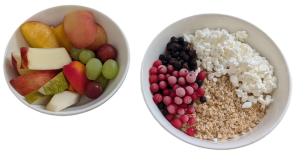
8:00 | Breakfast
Focus: Rehydrate after sleep, initiate muscle protein synthesis, and replenish liver glycogen.
Macro Target: ≈ 0.35 g/kg protein + complex carbohydrates + healthy fats.
Hypothetical Menu:
120 g Oat flakes
60 g Cottage cheese 0%
350 g Fresh fruits (mixed)
1 dl Berries (~60 g)
10 g Nuts
Meal Totals: 760 kcal | Carbs: 120 g | Protein: 23 g | Fat: 15 g.
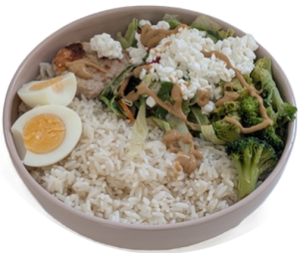
11:30 | Lunch
Focus: Maintaining energy levels, supporting recovery, and providing fuel for the coming exercise.
Macro Target: ≈ 0.35 g/kg protein + fiber-rich carbs + unsaturated fats.
Hypothetical Menu:
250 g Boiled rice
50 g Boiled egg (1 large)
65 g Chicken minced meat patty
120 g Veggies
54 g Cottage cheese 0%
2 tsp Salad dressing (oil-based)
Meal Totals: 670 kcal | Carbs: 71 g | Protein: 30 g | Fat: 20.2 g
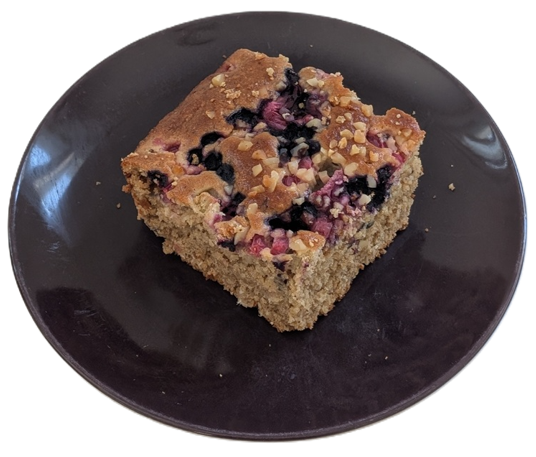
13:30–14:30 | Snack
Focus: Maximizing glycogen availability, happiness.
Macro Target: Carbs
Hypothetical Menu: Cake piece
Meal Totals: 490 kcal | Carbs: 65 g | Protein: 11 g | Fat: 19 g
15:30–16:00 | Pre-Workout Fueling
Focus: Energy and avoiding hunger
Macro Target: Carbs
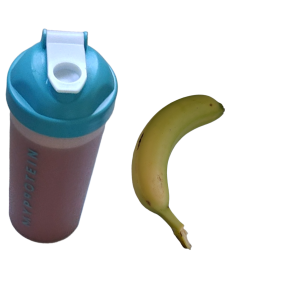
Hypothetical Menu: 1 large banana. 200-400 mL water.
Meal Totals: 110 kcal | Carbs: 23 g | Protein: 1.5 g | Fat: 0 g

16:00–17:30 | Intra-Workout (During Exercise)
Focus: Hydration (also energy if needed)
Macro Target: –
Hypothetical Intake: 500-1000 mL of water.
17:45 | Post-Workout Recovery Meal (Within 15–30 Minutes)
Focus: Rapidly initiating muscle tissue repair and glycogen resynthesis.
Macro Target: 0.3-0.4 g/kg (or 25-40 g) protein combined
with 0.5-1.2 g/kg high-glycemic carbohydrates.
Hypothetical Menu: 20 g whey protein isolate + 20 g malto dextrin
shaken with 500 mL 0 % milk or water. Banana.
Meal Totals: 290 kcal | Carbs: 40 g | Protein: 20 g | Fat: 1 g
18:15 | Post-Workout Recovery Meal
Focus:
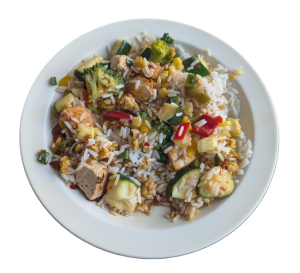
Macro Target: 20-30 g protein + 1.0-1.2 g/kg complex carbohydrates.
Hypothetical Menu: Boiled Whole Grain Rice 250 g. Tofu 100 g.
Mixed Veggies (broccoli, zucchini, peppers, corn).
Salad Dressing (oil-based, 2 tbsp).
Meal Totals: 740 kcal | Carbs: 86 g | Protein: 25 g | Fat: 31 g
18:45 | Dessert
Focus: Happiness
Macro Target: –
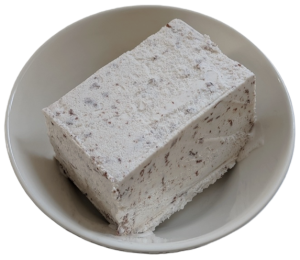
Hypothetical Menu: Ice cream 100 g.
Meal Totals: 180 kcal | Carbs: 19 g | Protein: 4.5 g | Fat: 9.5 g
21:00 | Evening Meal
Focus: Preventing muscle breakdown and overnight recovery.
Macro Target: 30-40 g of protein + Carbs.
Hypothetical Menu: 200 g quark (0 % fat) or 150 g cottage cheese (0 % fat)
+ 1 dL yoghurt (0 %) + a handful of almonds (10 g) + 200 g of fruits.
Meal Totals: 295 kcal | Carbs: 30 g | Protein: 26 g | Fat: 8 g

Daily Overall: 3370 kcal | Carbs: 465 g | Protein: 142 g | Fat: 105 g
References
1. Kerksick, C. M. et al. ISSN exercise & sports nutrition review update: research & recommendations. J. Int. Soc. Sports Nutr. 15, 38 (2018). https://doi.org/10.1186/s12970-018-0242-y