

Road to NUTS Karhunkierros, Part V
Ultra Race and Nutrition Recap — My Road to NUTS Karhunkierros 83 km, Part V:
After the Race — What Actually Happened
This ultrarun race nutrition recap highlights how preparation, fueling, and execution played out at NUTS Karhunkierros. If you didn’t read them yet, check the preparation: parts I-IV.
The final days before the start were structured, and simple, just how they needed to be.
Final Days Before the Start
Wednesday and Thursday were focused on increasing carbohydrate intake. Not aggressive loading, but clear prioritization.
At the same time:
- Fiber intake was reduced (Thursday–Friday)
- Fat intake was kept lower
- Foods were kept familiar and easy to digest
Nothing new. No unnecessary risk.
Friday (Race Day Routine)
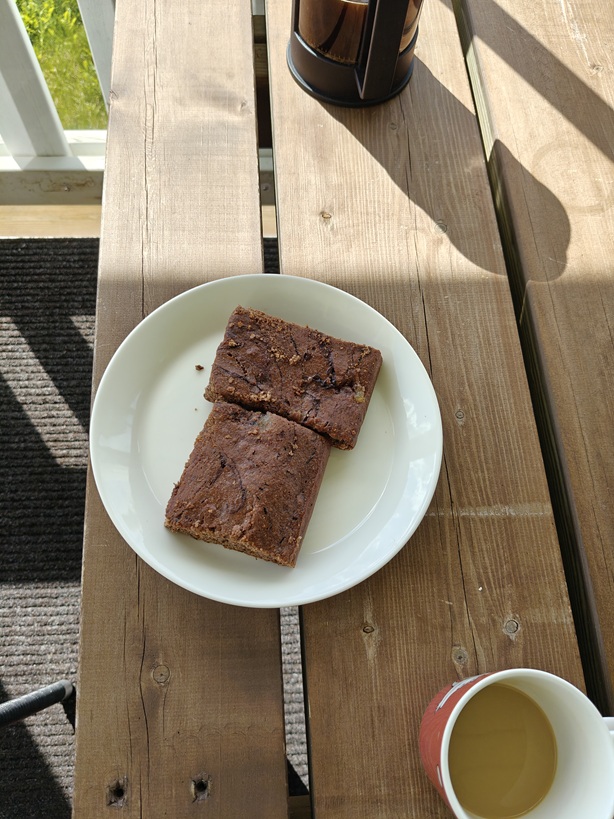
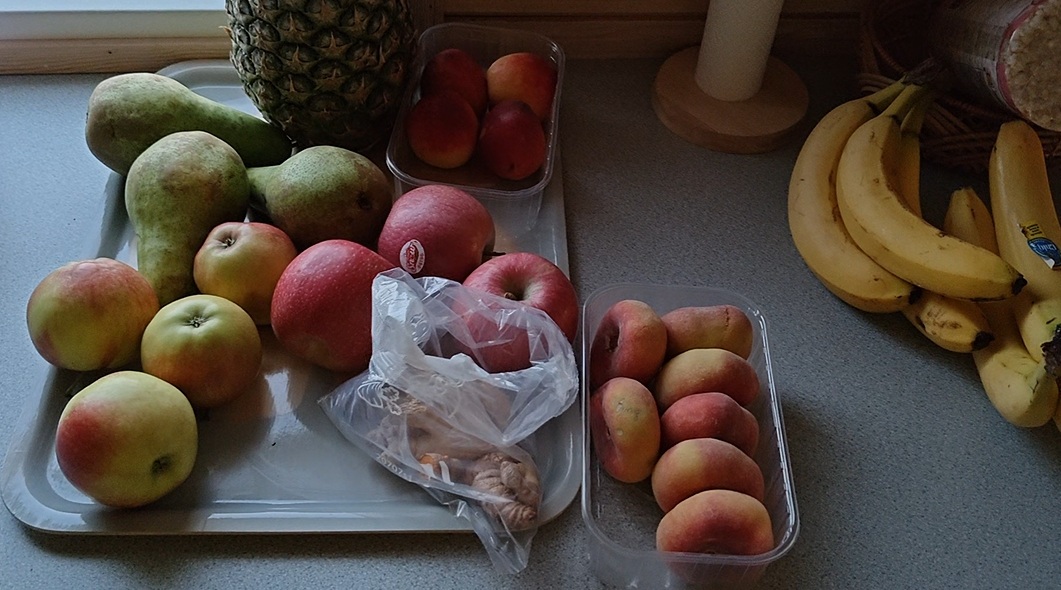
- Breakfast: quark, fruits, and cake
- During the day: regular snacking
- Lunch (~15:00): pasta with minced chicken
- Pre-race: light snacks
Carbohydrate sources were simple and repeatable:
- 4–5 bananas during the day
- Several pieces of cake (Thursday + Friday)
- ~2 Liters of cranberry juice across Thursday and Friday (in addition to water)
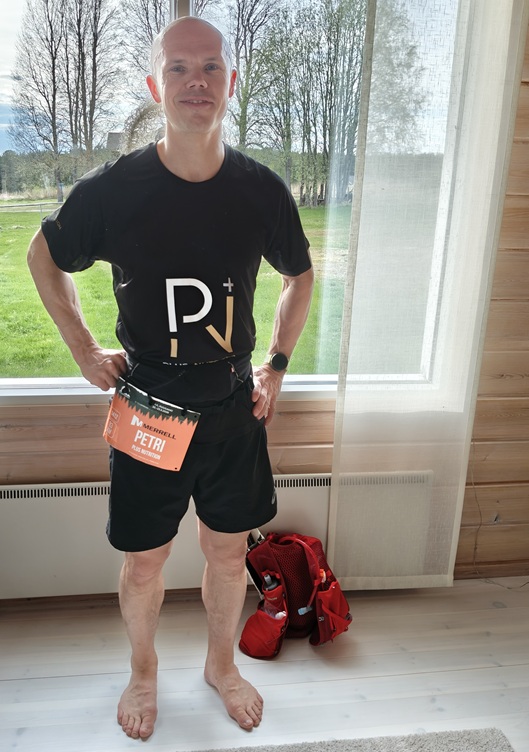
Start time: 22:00
From a nutritional standpoint, the goal was clear: arrive at the start line fully fueled.
The Race Plan
The in-race strategy was built on everything practiced in training:
- Carbohydrates: ~80 g/h (maltodextrin + fructose)
- Fluids: ~0.8 L/h
- Salt: 0.5 g/h
First service station: 28 km
- Refueled fluids
- Refilled carried carbohydrates
Everything worked as planned from a fueling perspective.
When the Plan Changes
At around 20 km, something started to feel off.
Left hamstring.
The same issue had appeared briefly the previous week. At the time, it seemed like a response to slightly higher intensity. Something manageable.
It wasn’t.
The Turning Point
By 40 km, the sensation had clearly progressed.
At 42–44 km, when the terrain became more technical, running was no longer realistically possible without compensating.
At 46 km, the decision became clear:
continue and risk a more significant injury or stop early enough to protect what comes next.
The Decision
I chose to stop at the next service point.
The final section:
- 13 km of walking and light jogging
- Continuous evaluation of the situation
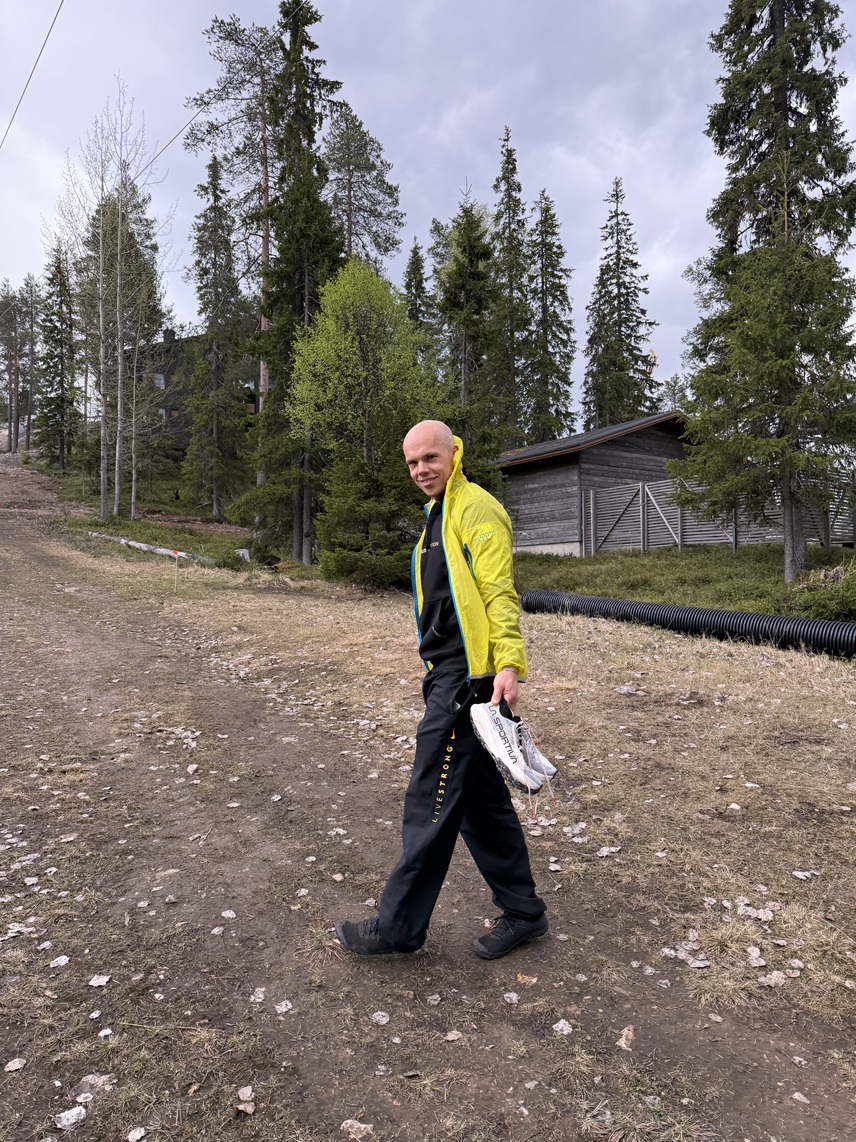
At 59 km, I ended my race.
First DNF.

What Worked
From a performance standpoint, this ultrarun race nutrition was actually a success.
- Energy intake: consistent
- Target intake: achieved (~80 g/h)
- Hydration: stable
- No gastrointestinal issues
There were no signs of under-fueling, no energy dips, no stomach problems.
The system worked.
That matters.
Because it confirms that this part of performance is now reliable under race conditions.
What Didn’t
The limiting factor was not energy.
It was musculoskeletal.
The hamstring issue — small at first — became decisive under cumulative load.
This is ultrarunning reality:
Small signals can become race-ending factors.
The Mental Side
A DNF is rarely neutral.
The first response is often emotional:
“I could have pushed through.”
Especially when, two days later, the pain is already gone.
But that perspective is incomplete.
The more rational view:
- Continuing likely increases injury risk
- A longer-term setback would cost more than a single race
And from that perspective, stopping was the correct decision.
Moving Forward
Right now, the focus is simple:
- Recover properly
- Address the hamstring issue
Because one thing is clear:
The engine is there.
The fueling works.
Now it’s about making the whole system durable enough to go the full distance.
The work continues.
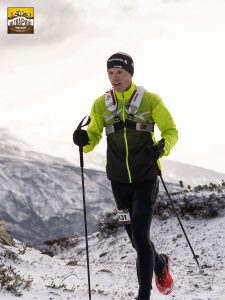
Last Year in NUTS Ylläs Pallas 66 km

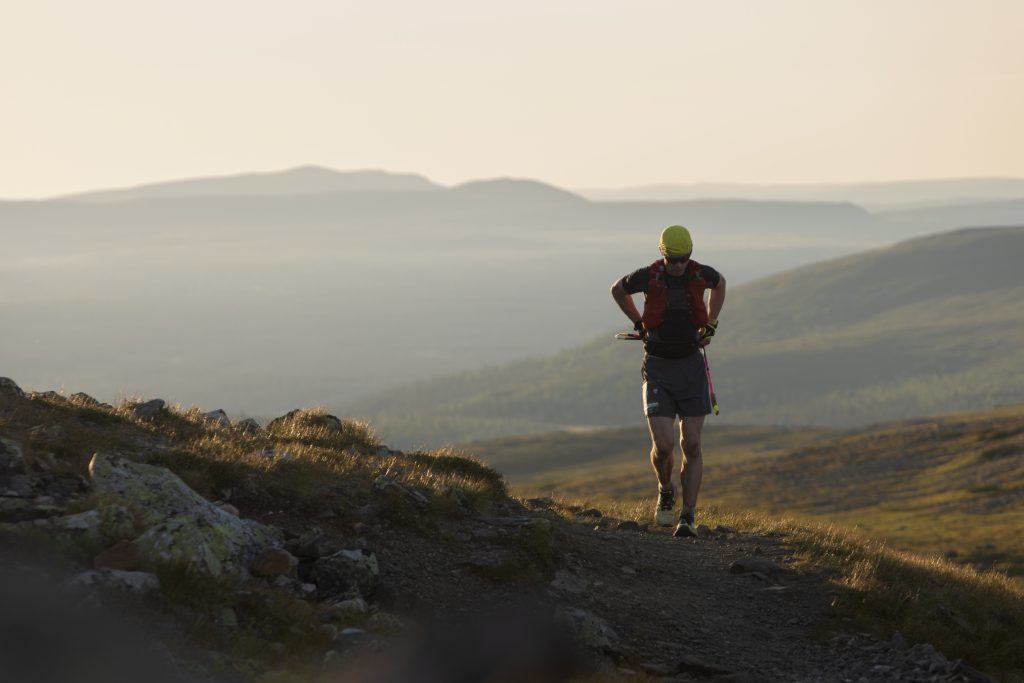
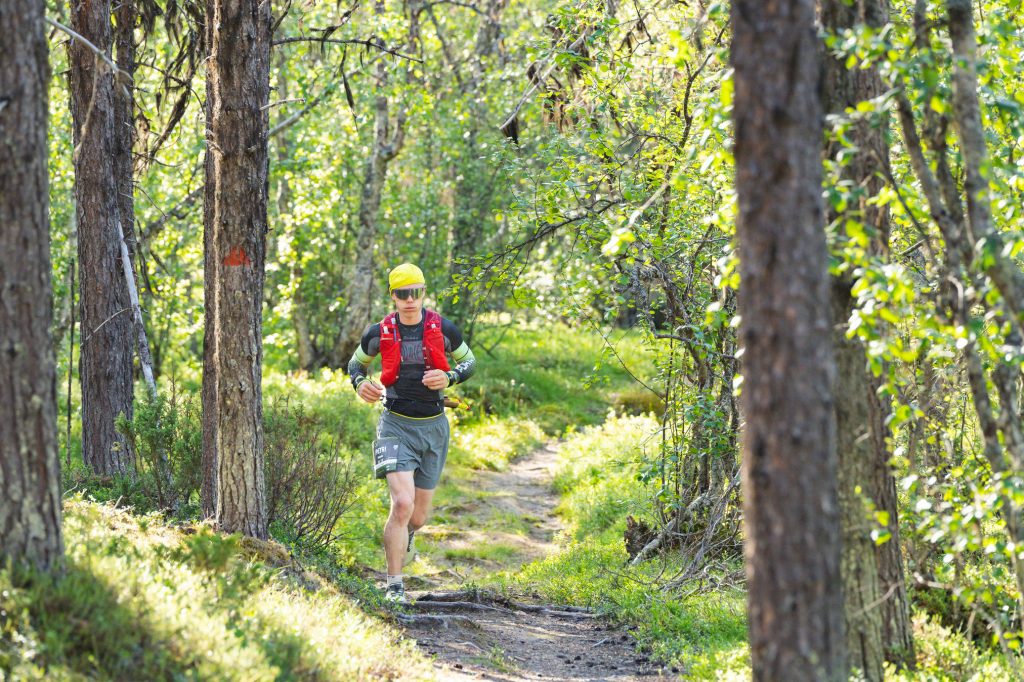
Photo: Samuli Tiainen
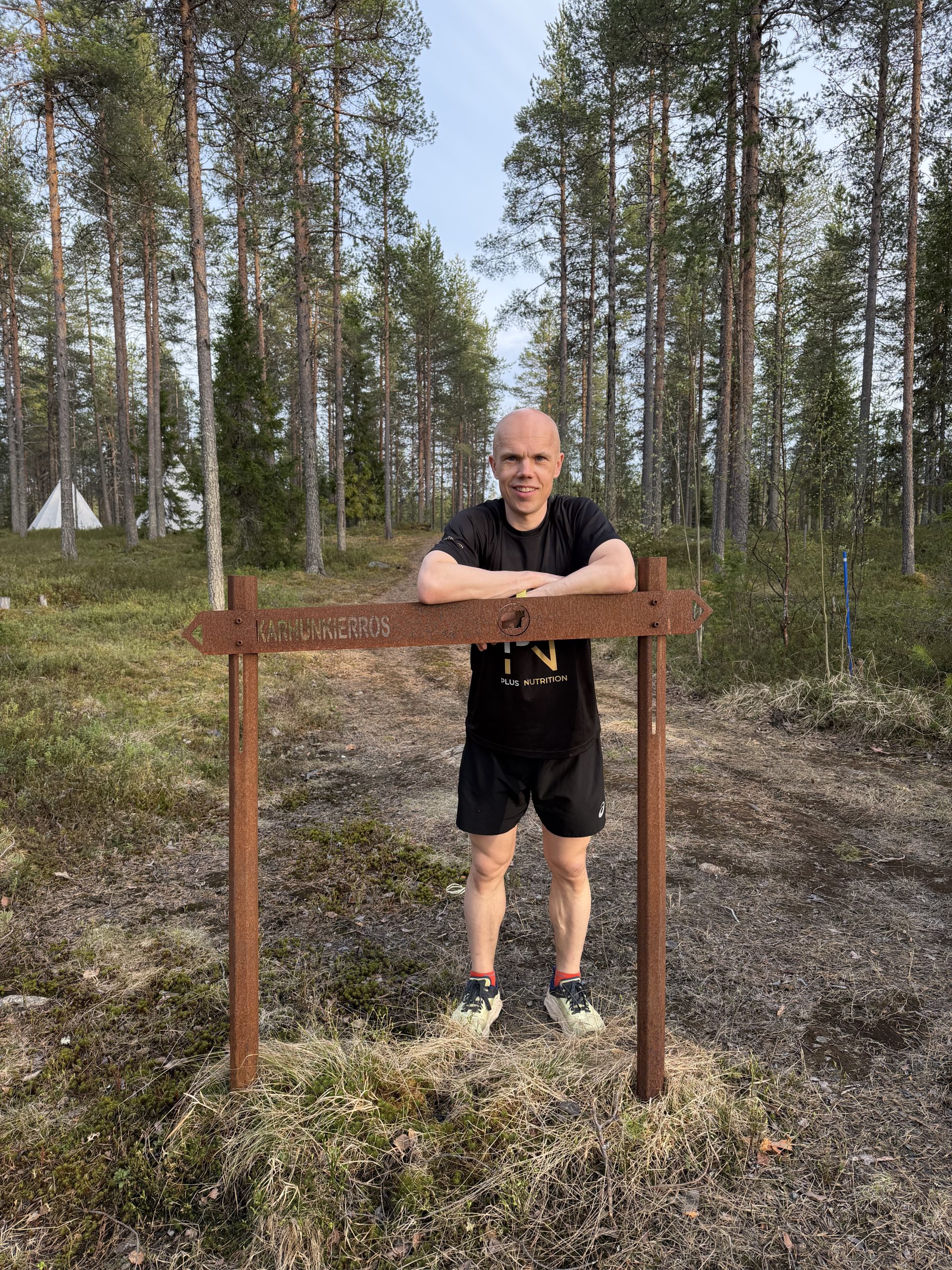
Photo: Rami Valonen
My Story
