

Road to NUTS – Karhunkierros 83 km | 2026 – Part III
My Road to NUTS Karhunkierros, Part III:
The Final Weeks Before the Start Line
With just three weeks remaining until NUTS Karhunkierros ultrarunning event, the calendar suddenly feels very different. What once seemed comfortably far away is now so close. This final phase of preparation is not just focusing on fitness, but about making sure that what has been built comes with me at the start line.
From a clinical nutrition perspective, these weeks are often where small, practical decisions matter.
When Training Doesn’t Go Exactly as Planned
The past few weeks have been more challenging than anticipated. Some calf issues and early warning signs of plantar fasciitis meant that training had to be adjusted. Running volume was temporarily compromised, and some key sessions were missed.
This is a common experience in ultrarunning preparation. Minor musculoskeletal symptoms frequently appear in high-volume phases, particularly when cumulative load, recovery, and life stress intersect. The priority at this stage is not to “make up” missing sessions, but to keep the capacity that is built and support recovery.
The good news: I’m now gradually back to running. Not exactly where I planned to be, but moving forward — and that matters.
Missed Sessions Don’t Cancel Preparedness
Missing several key practices can feel mentally heavy, especially close to race day. However, endurance performance is built over months and years, not from any single run.
From both research and clinical experience, it’s clear that cramming additional training late in a cycle increases injury risk without meaningful performance gains1. Nutritionally, the same principle applies, and consistency matters more than perfection.
The focus now shifts to:
- Maintaining aerobic adaptations
- Practicing race-day nutrition under realistic conditions
Ultrarunning Nutrition Training Continues: Fueling Long Runs
Training the gut includes for me that every run longer than 90 minutes is fueled as planned for race day, using the same in-run carbohydrate sources. This gut-training approach is strongly supported by endurance nutrition research, which shows that regular exposure improves carbohydrate absorption and gastrointestinal tolerance2.
So far:
- Longest run: 2 hours 45 minutes
- Fueling: No gastrointestinal issues
- Carbohydrate intake: Well tolerated (80 g/h)
This is an important confidence marker. Knowing that planned energy intake can be handled under load reduces uncertainty heading into race. The real challenge is managing fatigue and the inevitable discomfort that comes with long hours on the trail.
Why Daily Carbohydrate Intake Matters in Ultrarunning
As training resumes and recovery takes priority, adequate daily carbohydrate intake is non-negotiable.
Carbohydrates are essential for:
- Restoring muscle glycogen
- Supporting immune function
- Reducing the risk of low energy availability and injury risks
- Maintaining training quality
Low carbohydrate availability, especially when combined with high training stress, has been associated with impaired recovery, increased injury risk, and hormonal disruption3.
In practical terms, this means:
- Carbohydrates at every main meal
- Snacks that include carbs, not just protein or “clean” foods
- Not cutting intake simply because training volume decreases slightly
Fueling should support the process also in resting days.
When it comes to ultrarunning
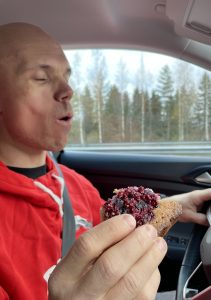
In Cake I Trust
This is my go to when it comes to energy intake. Easy to prepare cake.
I’m also a big fan of ice cream and when training more, I eat 0.5 to 1 L ice cream per evening.

A Simple Check: Weekly Body Weight Monitoring
One straightforward but often misunderstood tool I use is weekly body weight tracking:
- Same day of the week
- Same time of day
- Similar conditions
The goal is not weight loss or fluctuation, but stability.
Unintentional weight loss during high training phases can be an early indicator of insufficient energy intake, even in athletes who feel they are “eating well”. Maintaining stable body weight is one practical way to help ensure adequate fueling without overthinking eating.
This approach keeps the focus on supporting performance, not controlling body composition.
The Real Work of the Final Weeks
These last three weeks are not about pushing limits, but nailing the plan:
- Confirming that carbohydrate intake works in practice
- Supporting recovery with enough total energy
- Respecting early injury signals
- Arriving mentally calm rather than depleted
From a nutrition professional’s standpoint, this phase is where consistency often leads to the best outcomes.
A Final Reflection
Ultrarunning preparation rarely unfolds exactly as planned; training plans change, and life intervenes. Nutrition though, remains one of the few variables that athletes can control.
If you’re heading into the final weeks before a long endurance event, this may be a good time to reflect:
- Are you fueling your training, not just surviving it?
- Have you practiced your race-day nutrition enough to trust it?
- Is your eating supporting recovery?
Often, the most effective strategies are also the simplest.
References
1. Mujika, I. & Padilla, S. Scientific Bases for Precompetition Tapering Strategies: Med. Sci. Sports Exerc. 35, 1182–1187 (2003).
2. Jeukendrup, A. E. Training the Gut for Athletes. Sports Med. Auckl. Nz 47, 101–110 (2017).
3. Mountjoy, M. et al. 2023 International Olympic Committee’s (IOC) consensus statement on Relative Energy Deficiency in Sport (REDs). Br. J. Sports Med. 57, 1073–1098 (2023).
Written from the perspective of a clinical nutrition professional with experience in endurance sports.



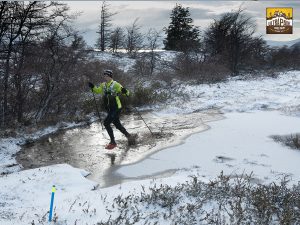


Last Year in NUTS Ylläs Pallas 66 km



Photo: Samuli Tiainen
Photo: Rami Valonen
My Story
