Nutrition Advice vs Clinical Nutrition Therapy – Registered Dietitian vs Nutritionist
The Difference Between Nutrition Advice and Clinical Nutrition Therapy – Registered Dietitian vs Nutritionist
The difference between a registered dietitian vs nutritionist. This article is to understand the difference between general advice and clinical expertise when it comes to health and well-being.
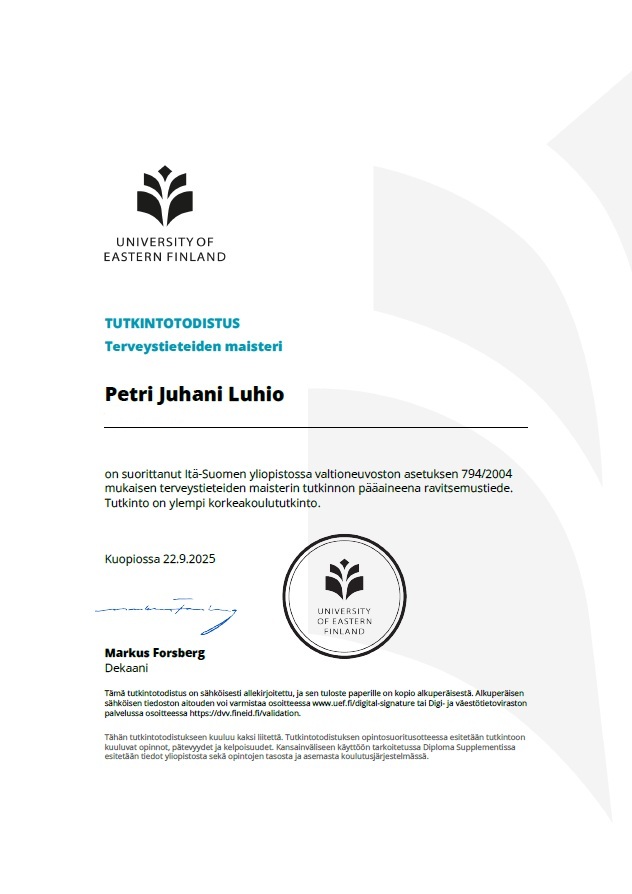
Author: Petri Luhio, M.H.Sc. (Clinical Nutrition)
Registered Dietitian (Valvira licensed)
Sports nutrition specialist
Last reviewed: 23 June 2026
Key Takeaways
Registered dietitians (RDs) are clinically trained professionals who deliver evidence-based nutrition care.
Weight management, metabolic issues, and chronic conditions require expertise.
There is a clear difference between wellness advice and clinical nutrition..
RDs are regulated and legally accountable, operating within a defined medical scope of practice.
Be cautious of unqualified advice that includes diagnoses, restrictive diets, or unnecessary supplements.
Social media visibility and lower pricing do not equal expertise or effectiveness.
Always verify qualifications, certification, and scope of practice before trusting nutrition guidance that affects your health.

Overweight and obesity are the most common nutrition-related problems. When choosing between a registered dietitian vs nutritionist, understanding the difference is critical, especially if your goal is improving health, well-being, or managing a medical condition. Strong evidence shows that registered dietitians (RDs) are highly effective in weight management interventions, improving diet quality, and delivering measurable outcomes such as reductions in HbA1c and LDL cholesterol levels1,2.
The RD approach is structured, evidence-based, and promotes long-term behavior change. Better results come from individualized, evidence-based guidance3.
Table 1. Registered Dietitian vs. Nutritionist: What They Are Trained (and Allowed) to Do
|
Registered Dietitians |
Health Coach or Nutritionist |
|
|
Provide nutrition therapy |
|
|
|
Diagnose and treat nutrition related conditions |
|
|
|
Interpret lab results and coordinate with doctor |
|
|
|
Can recommend supplements |
|
|
|
Offer general healthy eating advice |
|
|
|
Help with goal setting and meal preparation ideas |
|
|
|
Can provide custom meal plans in all situations |
|
|
| Registered Dietitians | Health Coach or Nutritionist | |
| Provide nutrition therapy |  | |
| Diagnose and treat nutrition related conditions | | |
| Interpret lab results and coordinate with doctor | | |
| Can recommend supplements | | |
| Offer general healthy eating advice | | |
| Help with goal setting and meal preparation ideas | | |
| Can provide custom meal plans in all situations | |
If you want support with weight management, diabetes, IBS, IBD, high cholesterol, PCOS, disordered eating or eating disorder, or unexplained metabolic issues, this is responsibility of a registered dietitian, professional with specialized training, clinical expertise, and legal accountability1.
Health coaches and nutritionists can feel easier to approach. They are often more visible on social media, they can market themselves aggressively and typically offer lower prices. Many position themselves as “non-diet” or “super effective diet” experts, which can sound appealing and if you are looking for general wellness support, that may be enough.
But there is a clear line.
When someone without clinical training starts diagnosing problems or identifying “root causes”, cutting out food groups, writing you meal plans, or selling supplements, you should pause. That is no longer general guidance, that’s clinical nutrition.
Registered dietitians operate under regulated standards. They are trained to assess, diagnose, and treat nutrition-related issues with evidence-based methods, while working within a defined scope of practice. This is not a marketing claim, it is a legal and clinical responsibility.
Key takeaway
Always ask about training, certification, and scope of practice before working with someone. If someone is giving nutrition advice that impacts your health, make sure they are actually qualified and legally allowed to do so.
References
1. Williams, L. et al. How Effective Are Dietitians in Weight Management? A Systematic Review and Meta-Analysis of Randomized Controlled Trials. Healthcare 7, 20 (2019). DOI 10.3390/healthcare7010020
2. Mitchell, L. J., Ball, L. E., Ross, L. J., Barnes, K. A. & Williams, L. T. Effectiveness of Dietetic Consultations in Primary Health Care: A Systematic Review of Randomized Controlled Trials. J. Acad. Nutr. Diet. 117, 1941–1962 (2017). DOI 10.1016/j.jand.2017.06.364
3. Sutehall, S. & Pitsiladis, Y. Personalized Nutrition for the Enhancement of Elite Athletic Performance. Scand. J. Med. Sci. Sports 35, e70044 (2025). DOI 10.1186/s12970-017-0187-6