Sports Nutrition Basics, Part II: Energy Availability and Nutrient Timing
Athlete Nutrition, Energy Availability, and Nutrition Timing
Is sports nutrition just as important for performance as training itself?
Nutrition and meal timing are fundamental components of performance, recovery, and muscle adaptation. Even the most effective training program cannot deliver optimal results if energy and nutrient needs are not met. This article builds on our previous article, Sports Nutrition Basics, which introduced the key foundations of an athlete’s diet. In Part II, we explore how adequate energy availability, strategic meal timing, and proper macronutrient distribution can help maximize training adaptations, recovery, and overall performance.
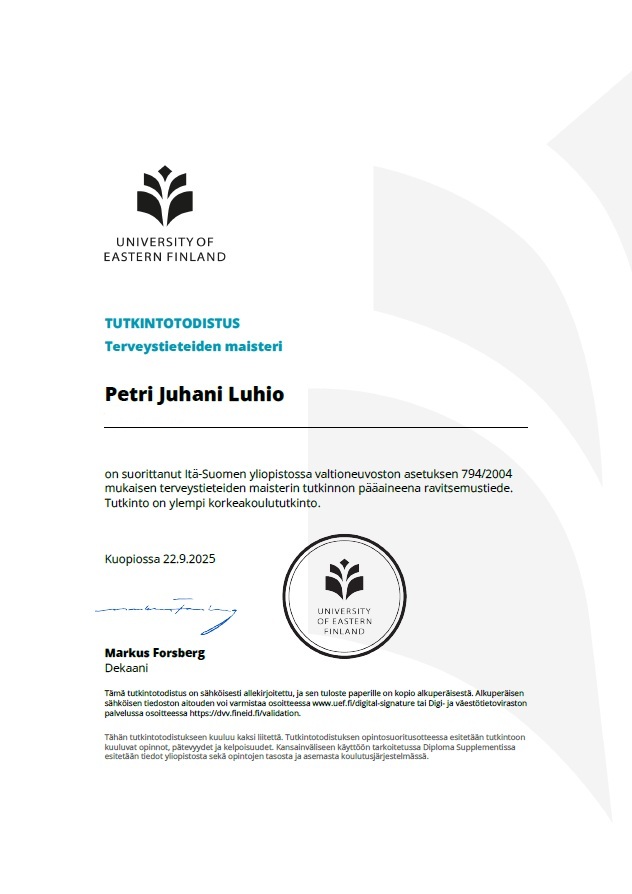
Author: Petri Luhio, M.H.Sc. (Clinical Nutrition)
Registered Dietitian (Valvira licensed)
Sports Nutrition Specialist
Last reviewed: 21 July 2026
Key Takeaways
– Low energy intake is one of the most common nutritional mistakes among athletes
– Meal timing influences both training performance and recovery
– Consuming protein (20-40 g) every 3-4 hours helps optimize muscle growth and repair
– Carbohydrates are generally the primary fuel source for exercise performance
– Consuming carbohydrates and protein after training supports recovery

In the first part, we covered the fundamentals of sports nutrition: energy intake, carbohydrates, protein, fats, and hydration. Once these basics are in place, the next step is understanding how the amount, timing, and overall availability of energy influence training, recovery, and athletic development.
Adequate Energy Intake Is Essential for Progress
One of the most common nutrition-related mistakes among athletes is not a deficiency of a specific nutrient, but rather insufficient overall energy intake. Training requires energy, but so do recovery, tissue repair, hormonal function, and immune system health1,2.
When the body does not receive enough energy relative to training demands, the consequences may include:
- Reduced sports performance
- Slower recovery
- Increased susceptibility to illness
- Higher risk of overuse injuries
- Hormonal disturbances
- Loss of muscle mass1,2
For this reason, sports nutrition professionals increasingly focus on Relative Energy Deficiency in Sport (RED-S), a condition that can affect both male and female athletes regardless of sport1.
The Importance of Carbohydrates for Training Quality
Carbohydrates are stored in the body as glycogen in the muscles and liver. These glycogen stores serve as a critical energy source during moderate- to high-intensity exercise and competition2.
The harder or longer an athlete trains, the more important carbohydrate availability becomes for performance. Insufficient glycogen stores may lead to:
- Reduced power output and performance, especially later in training sessions
- Impaired concentration
- Slower recovery
- Increased perceived exertion2,3
Depending on training volume, athletes’ carbohydrate requirements typically range from approximately 3 to 12 g/kg/day. Lower amounts may be sufficient on lighter training days, whereas carbohydrate intake often needs to increase during periods of intense training or competition2.
Timing also matters. Consuming 500 grams of carbohydrates at a single meal several hours after a demanding workout will not help performance in that exercise. The key goal is to replenish glycogen stores between training sessions and ensure energy stores are adequately restored before the next workout.
Protein Quality and Timing
While total daily protein intake is important, the distribution of protein throughout the day also plays a significant role. Research suggests that muscle protein synthesis is stimulated most effectively when protein is consumed regularly across multiple meals4.
In practice, this means including protein in:
- Breakfast
- Lunch
- A snack or recovery meal after training
- Dinner
- An evening snack
For most athletes, an individual serving of approximately 20–40 grams of high-quality protein per meal is appropriate, depending on body size and training demands4.
Recovery Begins Immediately After Exercise
Post-exercise nutrition is one of the most effective tools available for accelerating recovery. It becomes especially important when the next training session or competition takes place within 24 hours2.
Key nutritional priorities after training include:
- Carbohydrates to replenish glycogen stores
- Protein to support muscle repair and adaptation
- Fluids and electrolytes to replace losses from sweating
In many cases, a regular balanced meal is sufficient as a recovery meal, provided it is consumed reasonably soon after training and contains adequate amounts of both carbohydrates and protein2,4.
Hydration Is More Than Drinking Water
Adequate hydration supports performance, thermoregulation, and recovery. However, during prolonged exercise or activities involving significant sweating, drinking water alone may not always be sufficient5.
Sweat contains not only water but also electrolytes, particularly sodium. As a result, long training sessions and endurance competitions may require sports drinks or other sources of sodium-containing fluids5.
Sweat rates vary considerably among individuals. Some athletes may lose less than 0.5 liters of fluid per hour, while others can lose more than 2 liters per hour in hot conditions5.
What About Supplements?
Dietary supplements are of interest to many athletes, but their importance is often overstated. According to current sports nutrition research, most performance gains still come from optimizing training, recovery, and overall nutrition.
Evidence supporting performance benefits is strongest for:
- Creatine
- Caffeine
- Nitrate (such as beetroot-based products)
- Sodium bicarbonate in certain sports and performance situations6
However, supplements are not appropriate for everyone and should never be viewed as a substitute for a high-quality diet.
Summary
Once an athlete’s basic diet is in place, the next opportunities for improvement often come from optimizing energy availability, nutrient timing, and recovery strategies. Adequate energy intake enables adaptation and progress, carbohydrates support training quality, protein helps repair and build tissues, and proper hydration supports performance across all sports.
Ultimately, effective sports nutrition is not built on individual superfoods or supplements. It is the result of a well-planned nutritional strategy that consistently supports training, recovery, and performance day after day.
References
1. Mountjoy, M. et al. 2023 International Olympic Committee’s (IOC) consensus statement on Relative Energy Deficiency in Sport (REDs). Br. J. Sports Med. 57, 1073–1098 (2023). (https://doi.org/10.1136/bjsports-2023-106994)
2. Burke, L. M., Hawley, J. A., Wong, S. H. S. & Jeukendrup, A. E. Carbohydrates for training and competition. J. Sports Sci. 29 Suppl 1, S17-27 (2011). (DOI: 10.1080/02640414.2011.585473)
3. Everett, S. Optimizing Performance Nutrition for Adolescent Athletes: A Review of Dietary Needs, Risks, and Practical Strategies. Nutrients 17, 2792 (2025). (https://doi.org/10.3390/nu17172792)
4. Jäger, R. et al. International Society of Sports Nutrition Position Stand: protein and exercise. J. Int. Soc. Sports Nutr. 14, 20 (2017).
5. Veniamakis, E., Kaplanis, G., Voulgaris, P. & Nikolaidis, P. T. Effects of Sodium Intake on Health and Performance in Endurance and Ultra-Endurance Sports. Int. J. Environ. Res. Public. Health 19, 3651 (2022).
6. Australian Institute of Sport (2026) AIS Sports Supplement Framework. Australian Sports Commission. Group A | ASC. https://www.ausport.gov.au/ais/nutrition/supplements/group_a (Accessed 4.8.2026).