

Road to NUTS Karhunkierros, Part IV
Ultrarunning race week fueling — My Road to NUTS Karhunkierros 83 km, Part IV:
The Final Days Before the Start Line
With just four days to go, the entire process starts to get real.
The long build is done. There is nothing meaningful left to gain from training, only things that could potentially be lost. Now it is about arriving at the starting line ready.
From a clinical nutrition and performance standpoint, this ultrarunning race week fueling final phase is about planning and execution.
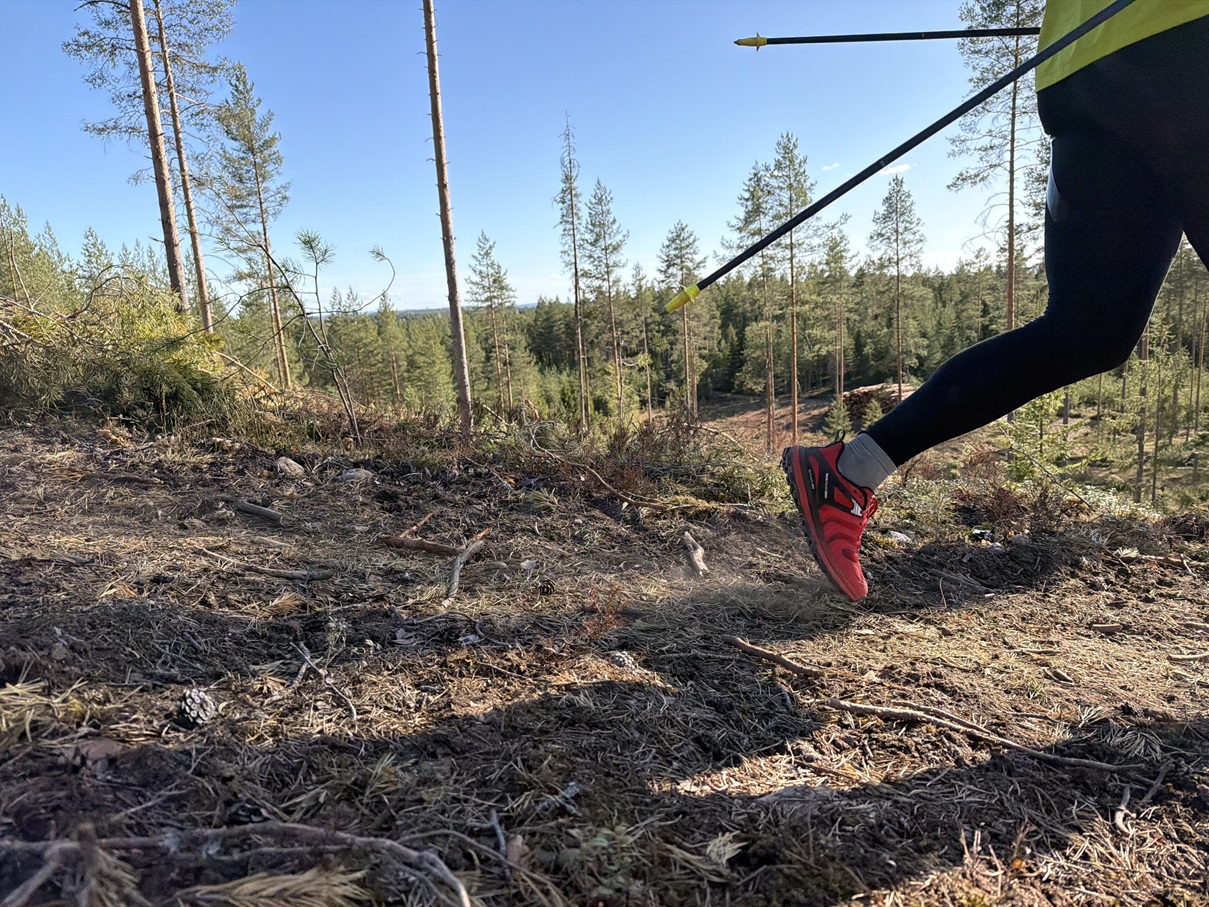
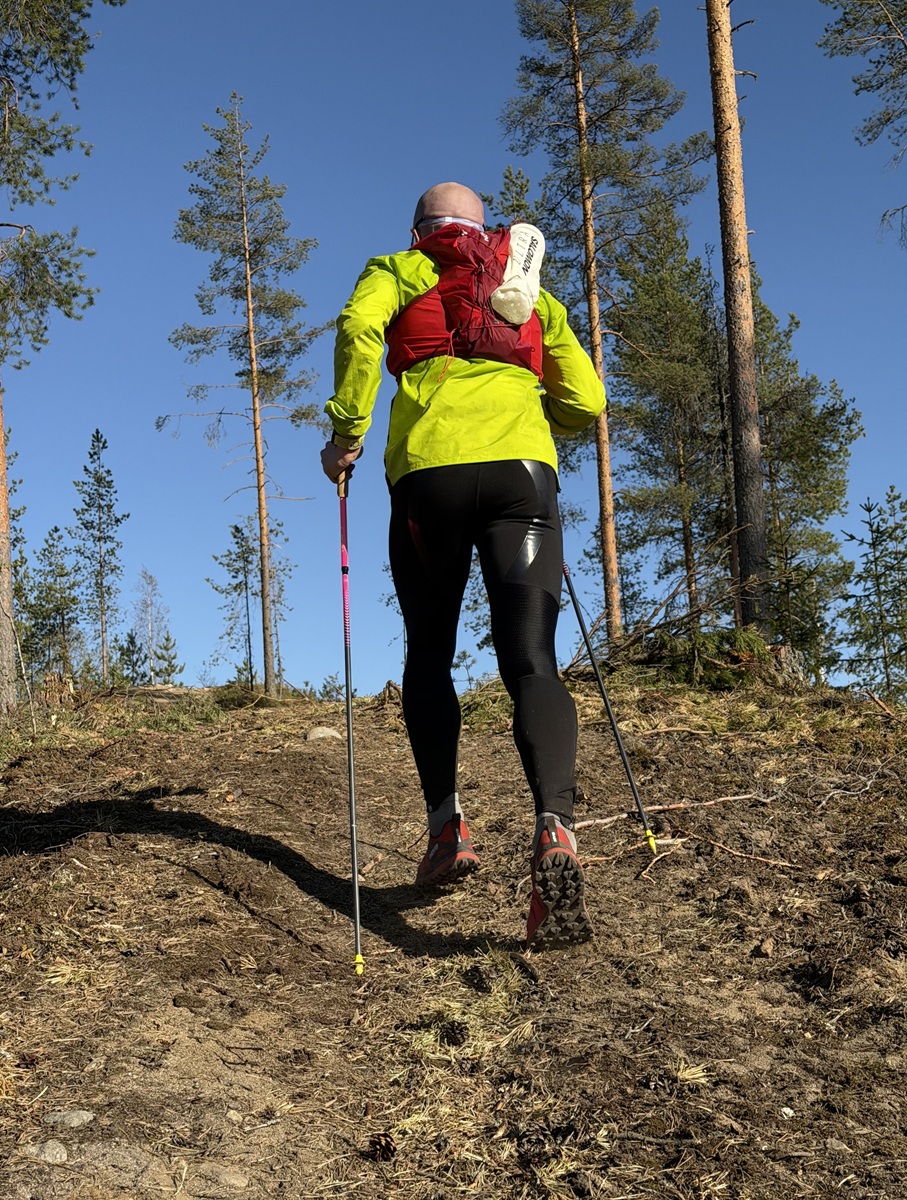
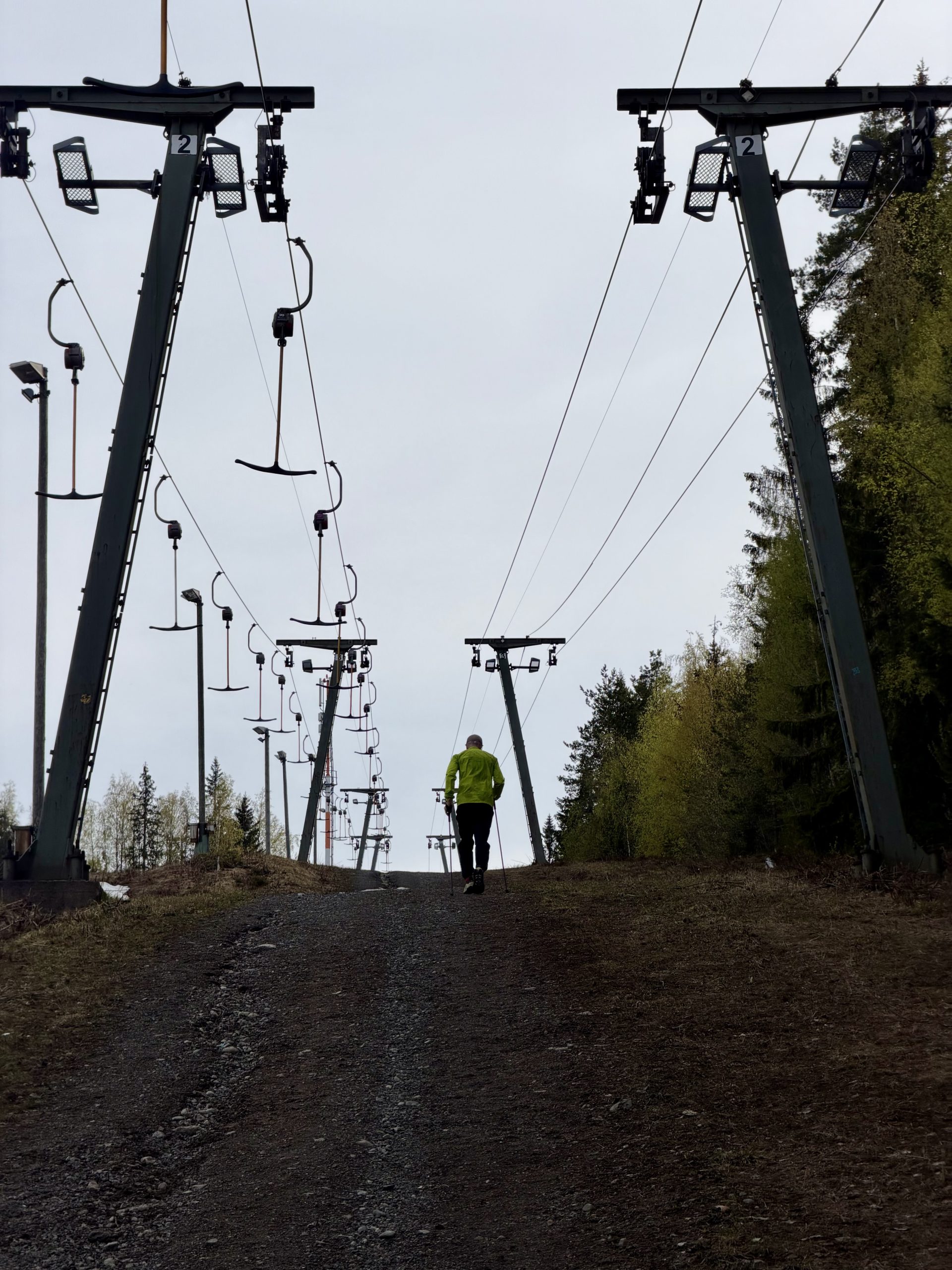
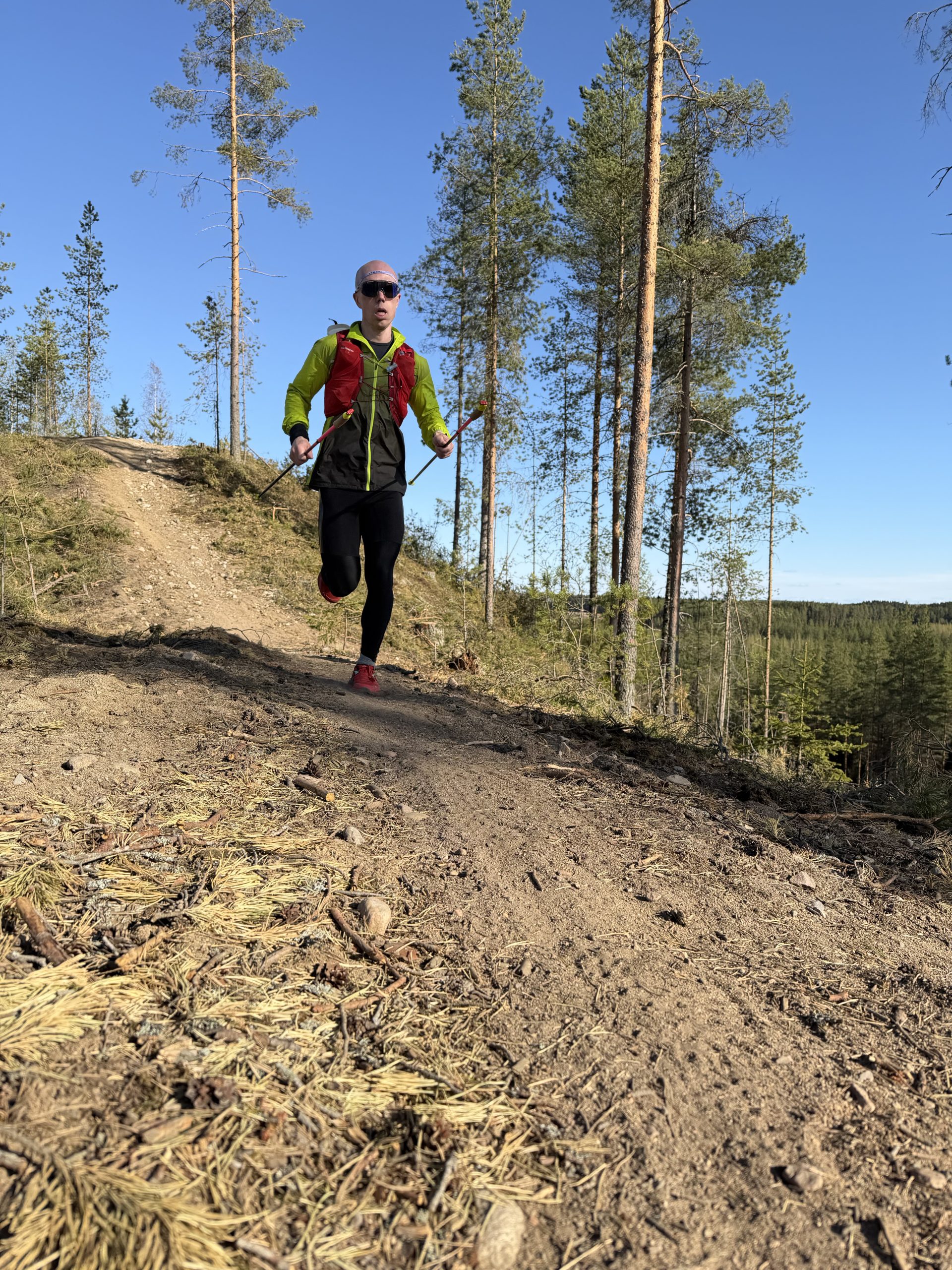
My training – Kuopio & Siilinjärvi, Finland


Where Training Stands Now
The past weeks have been stable.
No injuries. No setbacks. Just consistent forward progress.
Running volume has been slightly lower than planned, around 80 km per week. We go with that now.
Because the goal now is not to build more fitness, it’s to preserve what’s already there.
Confidence Built Through Repetition
If there is one area that had felt good, it’s fueling.
Every run longer than 90 minutes has been used to practice race-day intake:
- Carbohydrates: 80–90 g/h
- Source: maltodextrin + fructose
- Tolerance: consistent, no gastrointestinal issues
From an evidence-based perspective, combining glucose-based carbohydrates (like maltodextrin) with fructose allows higher oxidation rates because they use different intestinal transporters. This is what enables intake in the range of 60–90+ g/h when properly practiced.
Locking in Race-Day Nutrition
The plan for race day is now under review, some smaller details (like service point execution) still need to be finalized.
Target per hour:
- Carbohydrates: 70–80 g
- Fluids: ~600 ml
- Sodium: ~0.5 g
This is a controlled step slightly below training intake, not above it.
That’s intentional.
Race intensity, terrain, and duration introduce variables that training cannot fully replicate. Leaving a small physiological buffer reduces the risk of gastrointestinal issues and allows adjustments on the go.
The goal is not to hit the highest possible number.
The goal is to sustain intake for the entire duration of the effort.
The Role of Nutrition when Training Load is Reduced
One of the most common psychological challenges in the final week is doing less.
Less running. Less volume. More rest.
Reducing training load allows:
- Glycogen stores to fully replenish
- Muscle damage to resolve
- Nervous system fatigue to decrease
- Mental freshness to return
From a nutrition perspective, this phase often requires athletes to eat similarly, even if training volume drops. Bigger mistake I see people make is trying to eat less or even losing weight in last week(s).
Cutting intake simply because running kilometers decrease is one of the easiest ways to arrive under-fueled and under-recovered.
The Final Work
The final days are not dramatic.
They are repetitive, controlled, and intentional:
- Eating regularly
- Keeping carbohydrate intake sufficient
- Sleeping enough
- Staying relaxed
- Trusting what has already been practiced
There is no advantage in overthinking this phase.
Execution beats optimization. There is no perfect preparation.
A Final Reflection Before Race Day
Preparation for an ultramarathon is never perfect.
Training fluctuates. Plans change. Life happens.
But performance rarely comes down to perfection.
It comes down to whether the fundamentals are in place:
- Fueling that has been practiced, not guessed
- Energy intake that supports the work done in all training phases
Right now, the focus is simple:
Arrive at the start line healthy.
Start controlled.
Fuel consistently.
And let the months of work speak for themselves.
Now it’s time to execute.
Let’s enjoy it.



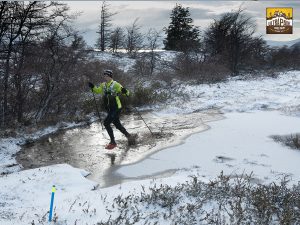


Last Year in NUTS Ylläs Pallas 66 km



Photo: Samuli Tiainen
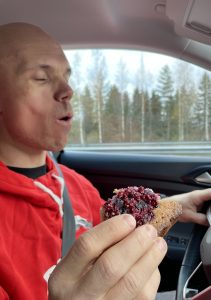
Photo: Rami Valonen
My Story
