

Road to NUTS – Karhunkierros 83 km | 2026 – Part I
My Road to NUTS Karhunkierros 83 km Ultrarun
As a clinical nutritionist and endurance enthusiast, I’m beginning a personal journey toward NUTS Karhunkierros 83 km race, one of Finland’s most iconic trail ultramarathons. This first post sets the scene: where I am right now, how my training is structured, and most importantly, how I’m approaching nutrition as an essential part of the training.
This will be a series. Future posts will dive deeper into training phases, fueling strategies, recovery, and the very human realities of preparing for a long-distance trail event. For now, consider this the starting line.
Why Karhunkierros 83 km?
An 83 km trail race will be the longest ultrarunning experience for me so far. Previous was 66 km in NUTS Ylläs Pallas last summer.
From a nutrition science perspective, this makes it a fascinating challenge:
not “How do I survive race day?” but “How do I consistently support adaptation over months of training?”
Where I Am Now: Week 7 of My Program
I’m currently in week 7 of my training program, which is based on prior experience, current fitness, and available recovery capacity.
- Training volume: ~10 hours per week
- Load progression: gradual and intentional
- Structure: a mix of easy aerobic running, longer trail sessions, strength work, and recovery-focused days
At this stage, the goal is not peak performance. It’s building a robust aerobic base while keeping overall stress manageable.
From a nutrition standpoint, this phase is important. Adaptation happens between sessions, and that process is profoundly influenced by how well energy and nutrients are supplied.
Nutrition as Part of the Training Load
One common mistake I see (both clinically and in endurance culture) is treating nutrition as something separate from training. In reality, nutrition is part of the training load.
If energy intake is consistently too low, or poorly timed, the training adaptations and especially, recovery is impaired. Research shows that chronic low energy availability can impact performance, recovery, hormonal function, bone health, and immunity, even in recreational athletes1. Estimates suggest that low energy availability (LEA), or relative energy deficiency in sport (RED-S), affects 23–79.5 % of female and 15–70 % of male athletes1.
That doesn’t mean fueling “as much as possible.” It means fueling appropriately for the work being done.
Key Nutritional Priorities at This Stage
1. Sufficient Energy Availability
With training volume increasing, overall energy intake must rise accordingly. Endurance training, especially on trails, can significantly increase daily energy expenditure.
Consistently meeting energy needs supports:
- aerobic adaptations
- maintenance of lean mass
- recovery between sessions
This aligns with guidance from the International Olympic Committee and EFSA emphasizing adequate energy availability for both performance and long-term health 1,2.
2. Carbohydrates: Supporting Training Quality
At ~10 hours of training per week, carbohydrates play a central role in:
- sustaining training intensity
- supporting glycogen restoration
- reducing perceived exertion during longer sessions
Current sports nutrition consensus supports tailoring carbohydrate intake to training demands rather than using a fixed daily target3. Some sessions may require more, others less—but chronic under-fueling is rarely beneficial.
3. Protein: Recovery and Adaptation
Protein intake distributed evenly across the day supports muscle repair and adaptation, especially when training volume increases.
Evidence suggests that endurance athletes benefit from regular, moderate protein doses across meals rather than concentrating intake in the evening4. This is particularly relevant during base-building phases where cumulative fatigue can quietly accumulate.
4. Micronutrients and Food Quality
While macronutrients often get the spotlight, micronutrients matter, especially iron and vitamin D for endurance athletes.
Rather than focusing on supplements, my approach prioritizes:
- Diverse variety of foods
- Adequate total intake
- Flexible
Recovery Is Not Passive
Recovery isn’t just rest; it’s an active process supported by sleep and regular meals.
At this stage, I’m less interested in “optimizing” and more focused on consistency:
- eating enough
- eating regularly
- matching intake to training demands
Simple, repeatable habits outperform complex strategies in the long run.
Why Share This Journey?
As a nutrition professional, I often work with athletes at various stages of endurance goals, from first-time marathoners to ultra-distance runners. Sharing my own process keeps me grounded in the practical realities behind the science.
This series is about:
- Applying evidence-based principles in real life
- Adjusting as training load evolves
- Respecting both performance and health
- Managing overall stress (work, life, and training)
Looking Ahead
In upcoming posts, I’ll explore:
- How nutrition evolves as weekly volume increases
- Fueling strategies for long runs
- Managing nutrition, fatigue, and recovery
- Lessons learned when plans don’t go perfectly (because they won’t)
If you’re training for an endurance event, or simply curious how nutrition supports long-term physical goals, I hope this series offers something useful, practical, and grounded in science.
My Strava for those who’s interested 
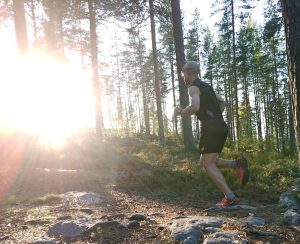


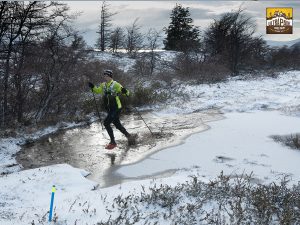
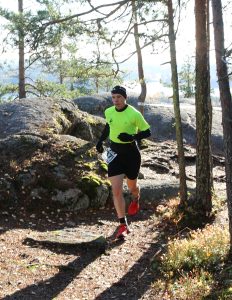
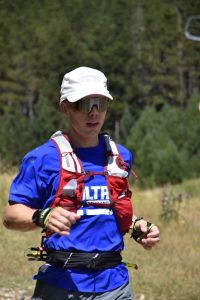
Last Year in NUTS Ylläs Pallas 66 km


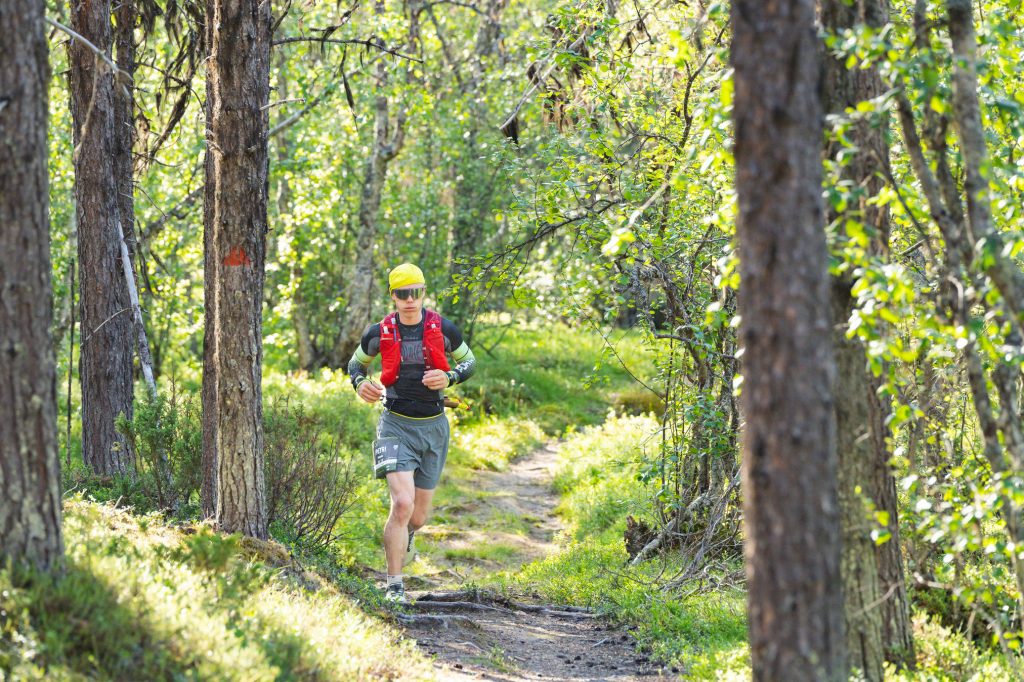
Photo: Samuli Tiainen
Photo: Rami Valonen
References
1. Mountjoy, M. et al. 2023 International Olympic Committee’s (IOC) consensus statement on Relative Energy Deficiency in Sport (REDs). Br. J. Sports Med. 57, 1073–1098 (2023).
2. Authority (EFSA), E. F. S. Dietary Reference Values for nutrients Summary report. EFSA Support. Publ. 14, e15121E (2017).
3. Nutrition and Athletic Performance. Med. Sci. Sports Exerc. 48, 543–568 (2016).
4. Phillips, S. M. & Van Loon, L. J. C. Dietary protein for athletes: From requirements to optimum adaptation. J. Sports Sci. 29, S29–S38 (2011).
Haasta Kuusamon Kevät! – NUTS Karhunkierros -polkujuoksu
About me
