

Road to NUTS – Karhunkierros 83 km | 2026 – Part II
My Road to NUTS Karhunkierros, Part II: Fueling the Training Journey
As week 10 of my training program wraps up — and with 11 more weeks to go before NUTS Karhunkierros ultrarunning event — my focus is shifting from simply logging the kilometers to truly supporting the kilometers. This means focusing more on the most underrated pillar of endurance performance: nutrition.
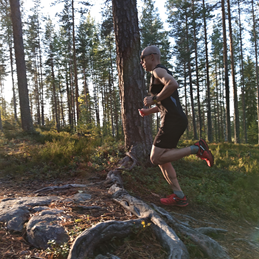
As a clinical nutrition professional and endurance enthusiast, I approach fueling with the same mindset as training: practice, gradual progression, and evidence‑based structure. In this post, I’ll walk you through how I fuel my runs, how I practice race‑day carbohydrate intake, and why these details matter long before stepping onto the start line.
Why Nutrition Matters Even in Training
Endurance efforts demand a steady supply of energy, especially from carbohydrates, the body’s fastest fuel for long-duration efforts. High carbohydrate availability around training to support:
- Performance during the session
- Recovery for the next one
- Reduced risk of low-energy availability1
Pre‑Run Fueling: Building the Foundation
For my recent 2‑hour easy run, I planned a breakfast that balanced digestibility, carbohydrate load, and personal preference — key elements for endurance athletes2.
Breakfast (~3 hours before the run):
- Fresh fruit
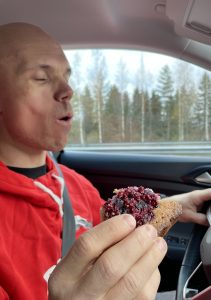
- A slice of sweet cake
- Quark mixed with berries and oats
This combination gives:
- Easily digestible carbs
- A bit of protein for satiety
- Moderate fiber (not too high)
- Enough energy to start the run well-fueled

About 30 minutes before heading out, I added a banana — a simple, low‑fiber carb source to top off glycogen and stabilize blood glucose.
Fueling During the Run: Practicing Race Strategy
In ultrarunning, training the gut is as important as training the legs. Research consistently shows that athletes can improve their ability to tolerate higher carbohydrate intake through practice3.
During this 2‑hour run, I consumed:
- 130 g of carbohydrates, a maltodextrin-fructose blend in a 2:1 ratio mixed with water
Why this matters:
- Maltodextrin and fructose use different intestinal transporters
- Combining them allows higher absorption rates
- Reduces gastrointestinal stress
- Supports high-carb fueling (60–90 g/h depending on athlete)3
For this session, my intake averaged about 65 g carbs per hour
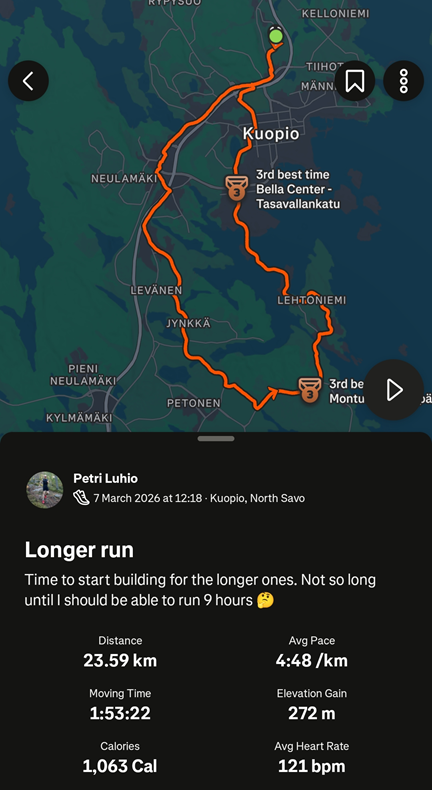
Post‑Run Recovery: Preparing for the Next Day
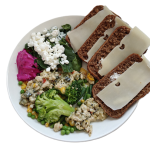
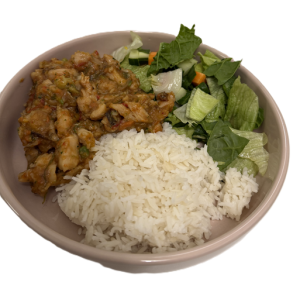
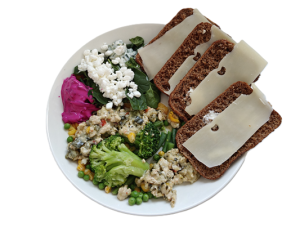
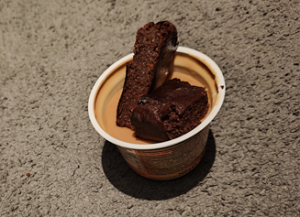
Immediately after the run and throughout the rest of the day, I focused on high‑carbohydrate meals, plus balanced protein to support muscle repair.
Why this matters:
- Glycogen stores may take up to 24 hours to fully replenish
- Protein supports adaptation
- Adequate fueling reduces cumulative fatigue across the week
This type of recovery-focused eating is particularly important during a demanding training cycle.


The Bigger Picture: The Next 11 Weeks
Right now, my primary training goal is to steadily increase kilometer tolerance, essentially teaching my body to handle more time on my feet.
One of my bigger challenges is finding the time for training while balancing work and life. Still, I know myself: I’m competitive by nature, and once I’ve set a goal, I’m committed to finding a way.
So, I navigate the busy weeks, sometimes working more than I probably should, but still carving out the necessary hours for training. It’s not perfect, but it’s realism.
A Soft Takeaway
If you’re training for a long-distance or ultrarunning event, consider practicing your fueling just like your pacing. A well‑trained gut can be one of your most valuable assets on race day.
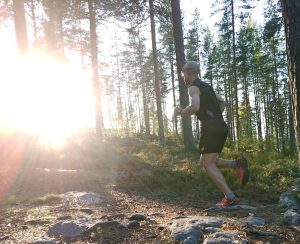


My Strava account:

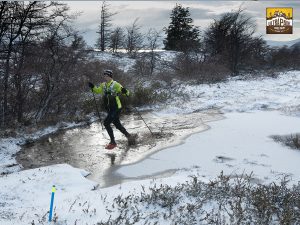
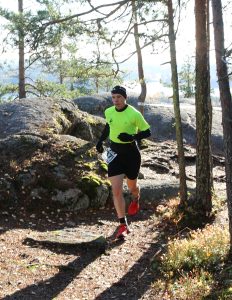
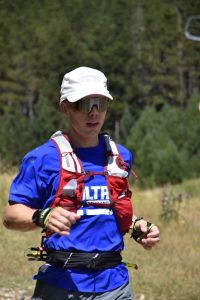
Last Year in NUTS Ylläs Pallas 66 km


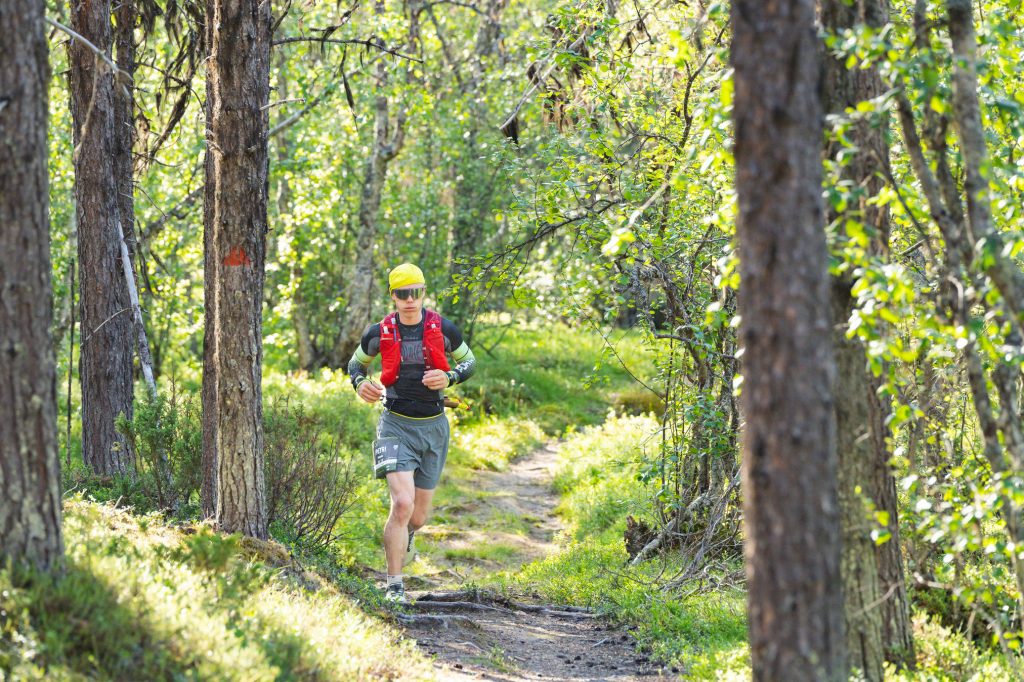
Photo: Samuli Tiainen
Photo: Rami Valonen
References
1. Mountjoy, M. et al. 2023 International Olympic Committee’s (IOC) consensus statement on Relative Energy Deficiency in Sport (REDs). Br. J. Sports Med. 57, 1073–1098 (2023).
2. Burke, L. M., Hawley, J. A., Wong, S. H. S. & Jeukendrup, A. E. Carbohydrates for training and competition. J. Sports Sci. 29 Suppl 1, S17-27 (2011).
3. Jeukendrup, A. A Step Towards Personalized Sports Nutrition: Carbohydrate Intake During Exercise. Sports Med. Auckl. Nz 44, 25–33 (2014).
Welcome to challenge yourself in NUTS KARHUNKIERROS
My Road to NUTS Karhunkierros, Part II: Fueling the Training Journey
As week 10 of my training program wraps up — and with 11 more weeks to go before NUTS Karhunkierros ultrarunning event — my focus is shifting from simply logging the kilometers to truly supporting the kilometers. This means focusing more on the most underrated pillar of endurance performance: nutrition.
As a clinical nutrition professional and endurance enthusiast, I approach fueling with the same mindset as training:
practice, gradual progression, and evidence‑based structure. In this post, I’ll walk you through how I fuel my runs, how I practice race‑day carbohydrate intake, and why these details matter long before stepping onto the start line.
Why Nutrition Matters Even in Training
Endurance efforts demand a steady supply of energy, especially from carbohydrates, the body’s fastest fuel for long-duration efforts. High carbohydrate availability around training to support:
- Performance during the session
- Recovery for the next one
- Reduced risk of low-energy availability1
Pre‑Run Fueling: Building the Foundation
For my recent 2‑hour easy run, I planned a breakfast that balanced digestibility, carbohydrate load, and personal preference — key elements for endurance athletes2.
Breakfast (~3 hours before the run):
- Fresh fruit
- A slice of sweet cake
- Quark mixed with berries and oats
This combination gives:
- Easily digestible carbs
- A bit of protein for satiety
- Moderate fiber (not too high)
- Enough energy to start the run well-fueled
About 30 minutes before heading out, I added a banana — a simple, low‑fiber carb source to top off glycogen and stabilize blood glucose.
Fueling During the Run: Practicing Race Strategy
In ultrarunning, training the gut is as important as training the legs. Research consistently shows that athletes can improve their ability to tolerate higher carbohydrate intake through practice3.
During this 2‑hour run, I consumed:
- 130 g of carbohydrates, a maltodextrin-fructose blend in a 2:1 ratio mixed with water
Why this matters:
- Maltodextrin and fructose use different intestinal transporters
- Combining them allows higher absorption rates
- Reduces gastrointestinal stress
- Supports high-carb fueling (60–90 g/h depending on athlete)3
For this session, my intake averaged about 65 g carbs per hour
Post‑Run Recovery: Preparing for the Next Day
Immediately after the run and throughout the rest of the day, I focused on high‑carbohydrate meals, plus balanced protein to support muscle repair.
Why this matters:
- Glycogen stores may take up to 24 hours to fully replenish
- Protein supports adaptation
- Adequate fueling reduces cumulative fatigue across the week
This type of recovery-focused eating is particularly important during a demanding training cycle.
The Bigger Picture: The Next 11 Weeks
Right now, my primary training goal is to steadily increase kilometer tolerance, essentially teaching my body to handle more time on my feet.
One of my bigger challenges is finding the time for training while balancing work and life. Still, I know myself: I’m competitive by nature, and once I’ve set a goal, I’m committed to finding a way.
So, I navigate the busy weeks, sometimes working more than I probably should, but still carving out the necessary hours for training. It’s not perfect, but it’s realism.
A Soft Takeaway
If you’re training for a long-distance or ultrarunning event, consider practicing your fueling just like your pacing. A well‑trained gut can be one of your most valuable assets on race day.
My Strava account:
Last Year in NUTS Ylläs Pallas 66 km
Photo: Samuli Tiainen
Photo: Rami Valonen
References
1. Mountjoy, M. et al. 2023 International Olympic Committee’s (IOC) consensus statement on Relative Energy Deficiency in Sport (REDs). Br. J. Sports Med. 57, 1073–1098 (2023).
2. Burke, L. M., Hawley, J. A., Wong, S. H. S. & Jeukendrup, A. E. Carbohydrates for training and competition. J. Sports Sci. 29 Suppl 1, S17-27 (2011).
3. Jeukendrup, A. A Step Towards Personalized Sports Nutrition: Carbohydrate Intake During Exercise. Sports Med. Auckl. Nz 44, 25–33 (2014).
Welcome to challenge yourself in NUTS KARHUNKIERROS
